
Couples Support
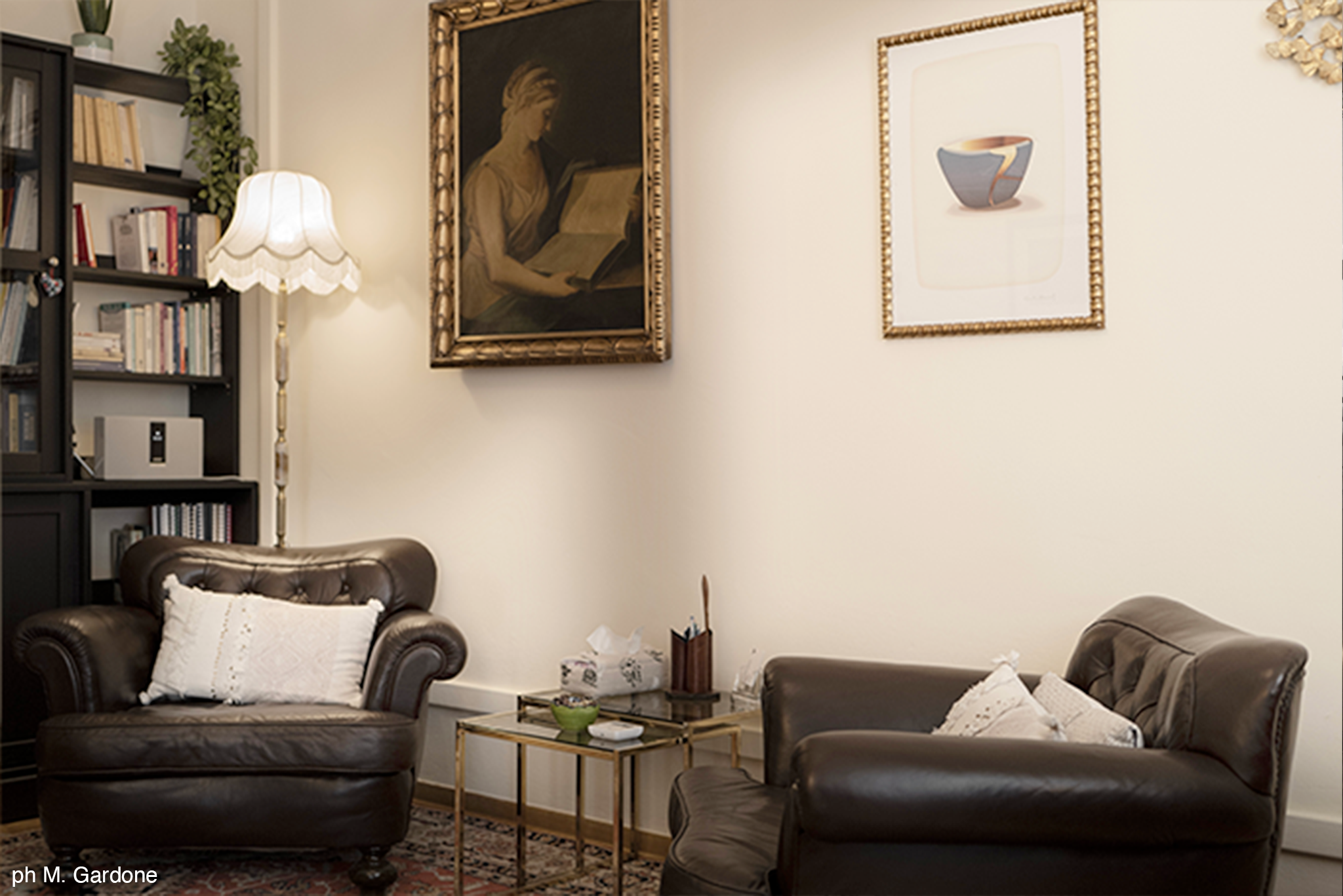
The life of a couple always begins with the meeting of two people who, in an act of love, decide to unite to walk together the path of their future, by definition, without limits and unknown. The two personal identities give life to a distinct identity of a couple, unique and precious. The events of life or the evolutions of the two personalities can, however, lead the two subjects to find themselves distant and when this distance produces discomfort then the couple, as they say, enters into crisis. There are no couples exempt from the oxidation of life, but there are couples more capable than others of remaining united overcoming adversity, couples able to adapt to each other despite continuous personal or structural change, such as when children arrive, for example, or when those same children, driven by the normal desire for independence, leave. Or again, perhaps, precisely because of the lack of the arrival of children. : The crisis of a couple, of whatever nature or entity it is, can really be an opportunity to originate an even more robust welding in cohesion or, on the contrary, create cracks that over time, most of the time unconsciously, separate more and more until they form large spaces in which a deadly silence is established, made of life patterns that are always the same progressively deprived of vital energy, perhaps creating the conditions for other people to upset the balance. When the couple turns to the therapeutic consultation, they find a place and a time to rethink their history and their identity, to evaluate the resources still present and verify the actual possibilities of finding, in respect of each other's individuality, a new balance to rediscover themselves and continue together, in a new more mature and strengthened form, the path of life. The therapist acts as a mediator listening and giving voice to each of the parties, creating the spaces to verify the possible interlocking and the still possible positions of complementarity on which to base the new couple structure. On the contrary, when you can no longer identify ways of living together, you must know how to face the difficult and often painful task of transforming into a separated couple, with or without children, capable in any case of putting before actions the thoughts that gather the experiences of life together and represent, once separated, the foundations of the future of both, where however their experience together can be rehabilitated and recognized as a precious path of personal growth and mutual knowledge. When a couple separates and there are children still living together, the worst emotions can be unleashed that if they do not meet a mutual acceptance and a consensual project can translate into devastating and endless judicial paths capable of causing indelible wounds in all the members of the family. Professional mediation helps the couple to acquire greater responsibility, to be able to rethink their roles as parents together despite the physical separation, so that in the minds of the children the two parents can continue to remain united forming a solid axis of reference

